By Corcoran Prestige Realty
The Heights is one of Houston's most beloved inner-loop neighborhoods — and one of its oldest. Craftsman bungalows, Victorian cottages, and early 20th-century foursquares line streets canopied by mature trees, and buyers come here specifically for that character. But that character comes with age, and age comes with things to inspect carefully. Knowing what to expect during a home inspection in The Heights means understanding what makes this neighborhood's housing stock different from newer construction across the metro.
Key Takeaways
- Home inspections in The Heights require special attention to older construction systems and materials that are common in the neighborhood's historic housing stock.
- Understanding what inspectors look for — and what their findings actually mean — removes anxiety from one of the most important steps in the buying process.
- Inspection results give you negotiating leverage, not a reason to walk away.
- Having an experienced agent in your corner during the inspection process makes a decisive difference in how you use the findings.
What the Inspector Actually Does
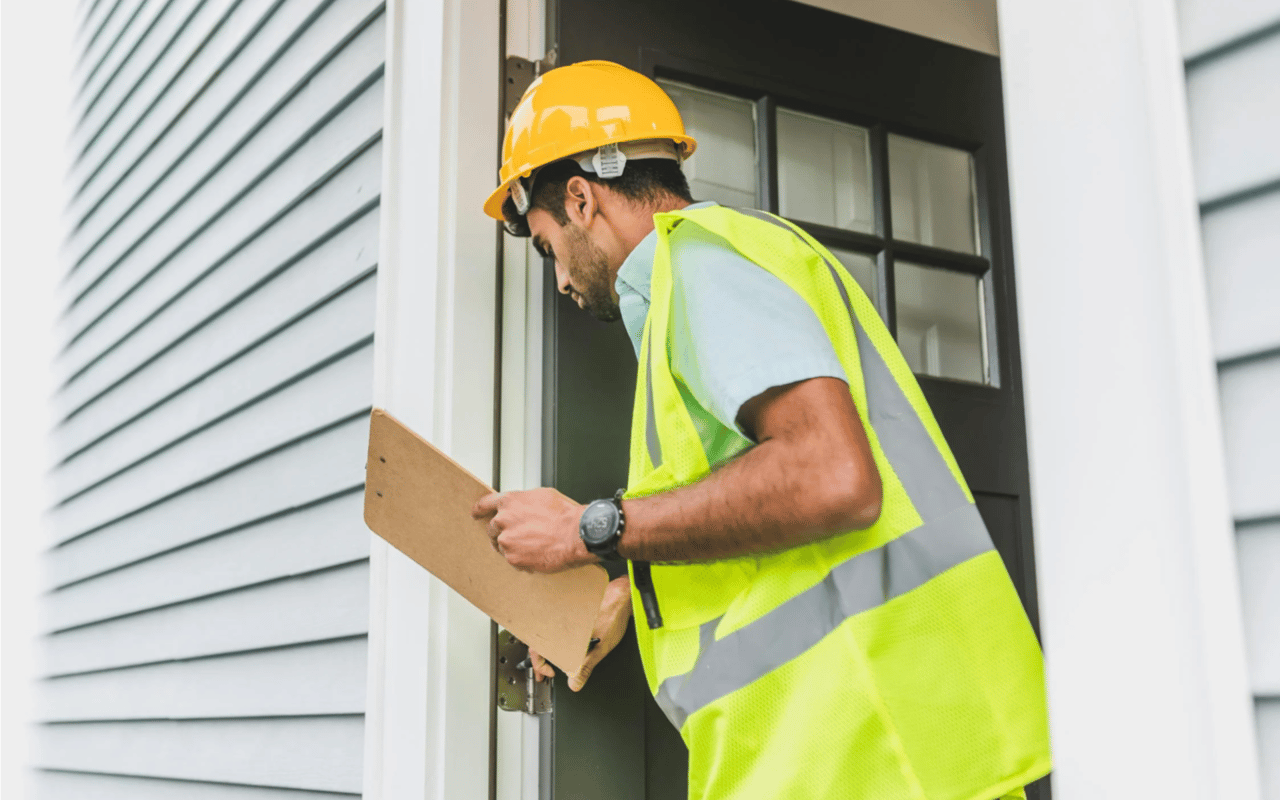
A home inspection is not a pass/fail evaluation. It's a detailed assessment of the home's current condition across every major system and structural component. In The Heights, where homes frequently date to the early to mid-20th century, that assessment covers a lot of ground.
What Gets Evaluated During a Heights Inspection
- Foundation and structure, including pier-and-beam foundations common in older Heights homes, which require specific attention to leveling, moisture, and support conditions
- Electrical systems, including knob-and-tube or aluminum wiring that appears in pre-1960s construction, which often require updating to meet modern safety standards
- Plumbing, including cast iron drain lines and galvanized supply pipes that are approaching or past their useful life, in many Heights properties
- Roof condition, attic ventilation, and signs of water intrusion — deferred roof maintenance is one of the most common findings in older Houston homes
Inspectors in The Heights also routinely flag HVAC systems — many homes have been retrofitted with central air added decades after original construction, and the quality of that work varies significantly.
Plan for your inspection to take three to four hours on a typical Heights property, and plan to be there in person.
What's Specific to The Heights Housing Stock
Buying in The Heights means buying into Houston's architectural history, and that history shapes what inspectors pay closest attention to. The neighborhood's homes were built across several decades with materials and methods that differ significantly from what's standard in new construction, and buyers need to understand those differences before they're surprised by a report.
Heights-Specific Items Inspectors Watch For
- Pier-and-beam foundation conditions, including signs of settling, damaged piers, inadequate ventilation under the home, and moisture accumulation in the crawl space
- Original wood siding and trim that may show rot, insect damage, or failing paint that allows moisture penetration into the wall assembly
- Galvanized steel or cast iron plumbing that may be corroding internally, even when it appears functional during an inspection
- Evidence of unpermitted additions or renovations, which are common in Heights homes that have been updated over decades and can affect both insurability and resale
Sewer line condition — Heights homes with original clay or cast iron sewer laterals benefit from a dedicated sewer scope inspection, which runs $150–$250 and can surface problems that a standard inspection won't catch.
None of these findings are an automatic deal-breaker — but all of them inform how you negotiate and what you budget for in the years ahead.
How to Read Your Inspection Report
Your inspector will deliver a written report, often 30 to 60 pages, within 24 hours. The volume of findings can feel alarming at first glance, especially in an older home. The key is knowing how to prioritize what you're reading rather than reacting to the total number of items flagged.
How to Prioritize What You're Reading
- Safety concerns come first — these include outdated electrical panels, gas line issues, and anything that poses an immediate risk to occupants
- Major system conditions, including roof, HVAC, foundation, and plumbing, carry the highest potential cost and deserve the most scrutiny
- Water intrusion and moisture findings deserve careful attention in Houston's climate, where humidity and drainage issues compound quickly if left unaddressed
- Deferred maintenance items like aging caulk, worn weatherstripping, and cosmetic wear are normal in older homes and rarely worth significant negotiation
We always recommend getting contractor estimates on major findings before deciding how to proceed — real numbers make for stronger, more focused negotiations.
One thing buyers often miss: a long inspection report on a Heights home isn't a red flag — it's normal. A thorough inspector on a 1920s bungalow will always find more line items than one on a 2015 build. What matters is the severity and cost of the findings, not the count.
What Happens After the Inspection
Once you've reviewed the report with your agent, you have real options. Texas real estate contracts include an Option Period that gives buyers the right to negotiate, request repairs, or walk away within a defined window — typically five to ten days. How you use that period depends on what the inspection revealed and what you and your agent decide is worth pursuing.
Your Options After the Report
- Request specific repairs from the seller before closing, focused on safety issues and major system deficiencies rather than cosmetic items
- Negotiate a price reduction or closing credit to reflect the cost of addressing significant findings yourself after closing
- Accept the property as-is and proceed, which is sometimes the right call in competitive situations where findings are manageable
- Walk away during the Option Period if findings are severe enough to change the value proposition of the purchase
The Option Period is one of the most important protections available to Texas buyers — understanding how to use it strategically is part of what we bring to every transaction.
FAQs
How much does a home inspection cost in The Heights?
Most inspections in the Houston inner-loop run between $350 and $550 depending on the size and age of the home. Older Heights properties often fall at the higher end of that range due to the additional time required to evaluate older systems and construction methods. Specialty inspections for foundation, sewer, or mold may add cost but are often worth it given the age of the housing stock.
Should I be at the inspection in person?
Absolutely. Being present allows you to ask the inspector questions in real time, see findings firsthand, and develop a much clearer sense of their severity than any written report conveys. Most experienced inspectors welcome buyer attendance and will walk you through their findings on the spot.
What's the most common major finding in Heights homes?
Foundation conditions and aging plumbing are the two most frequent significant findings in The Heights, given the prevalence of pier-and-beam construction and original cast iron or galvanized supply lines. Neither is automatically disqualifying, but both require an honest evaluation of current condition and the likely future cost.
Navigate the Inspection Process with Confidence
We work with Heights buyers through inspections every week, and we've seen every variation of what these older homes can surface. Our job isn't just to get you to closing — it's to make sure you understand exactly what you're buying before you do. If you're considering a home in The Heights, let's talk before you're under contract. Knowing what to expect makes the whole process faster, calmer, and smarter.
From our first conversation through your first years of homeownership, we're here. Buying in The Heights is a meaningful decision, and you deserve a team that treats it that way.
Visit Corcoran Prestige Realty to connect with our team today.